A fresh, riotous take on the murder mystery formula
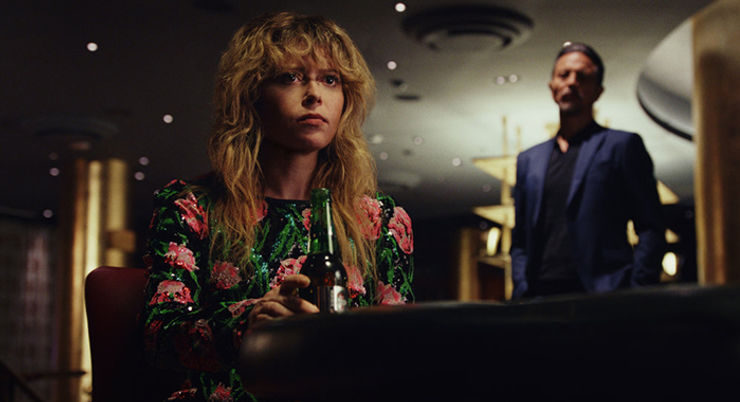
Mix one part murder-of-the-week mystery extravaganza, one part getaway road trip through off-the-beaten-track America, and a fiery shot of the chaotic but wise-cracking human lie-detector that is Charlie Cale, and you have Poker Face — Knives Out creator Rian Johnson’s raucous new show starring Natasha Lyonne. When she solves the murder of her close friend and casino colleague, Natalie, Charlie is forced on the run from vengeful casino bosses and so hits the road in her vintage Plymouth Barracuda. Taking cash-in-hand work where she can along the way, Charlie finds herself enmeshed in the murderous plots of those she encounters en route on an epic, interstate murder-solving spree, unable to resist using her unique ability to detect when people are lying with one-hundred-percent accuracy. In this love letter to the ‘70s film and TV culture (long live the shag), Lyonne is a joy to watch in this riotous road-trip whodunnit, which, though it stalls in parts, comes out on top as one of this year’s must-watches.
Or, I should say, “howcatchem”, as the reverse detective genre is known colloquially — whereby viewers know “whodunnit” but must follow its suspecting protagonist on a journey to find out how and why, à la Columbo. Be it ousting embittered career professionals, desperate has-been goth bands or seething business-owning siblings, we follow Charlie, spurred on by the unjust murder of her best friend, as she pieces together the puzzle and puts wrongs to right at every pit-stop. No sooner has she solved the murder (and, in many instances, put her life on the line in the process), than she has to move on thanks to the vengeful casino bosses ever at her heels.
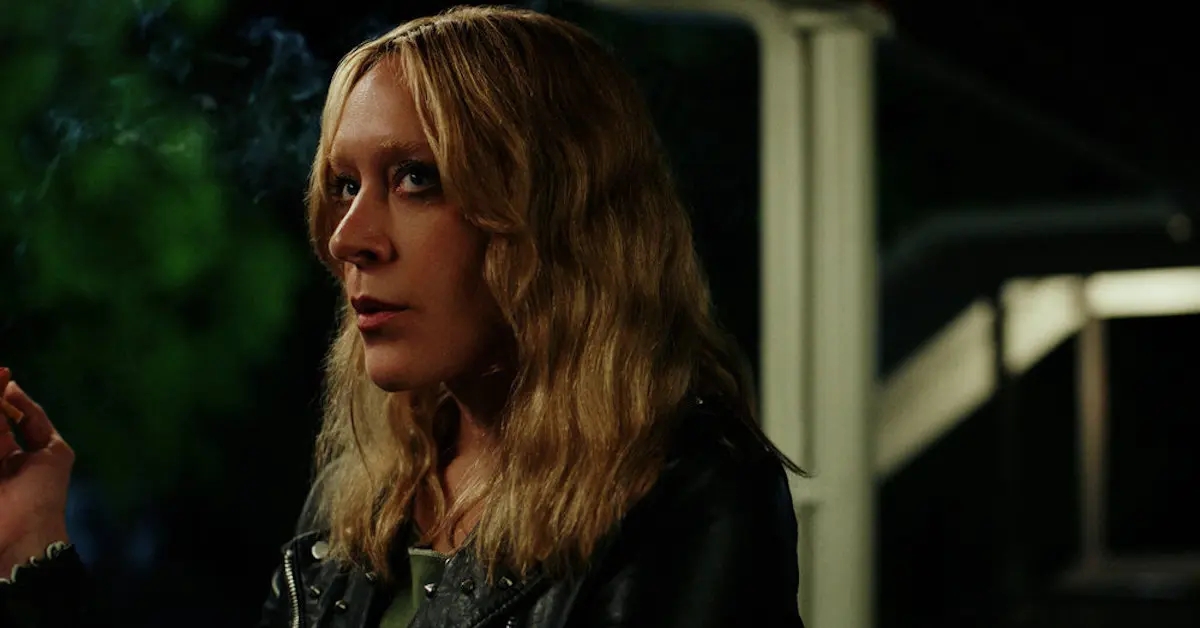
In true Knives Out fashion, Poker Face is an all-star spectacular, each episode delivering one or two members of acting royalty who find themselves embroiled in some enjoyably back-stabby scenarios — Adrien Brody, Choë Sevigny and Cherry Jones delivering especially standout performances as some of the show’s eccentric villains. Such a cast adds something of a Black Mirror quality to the series in its episodic formula, which works nicely, and adds familiar faces to an otherwise head-spinning ensemble of characters. It’s also a testimony to the time we live in: We’re well and truly still in the Golden Age of television and will be for some time.
Each episode exists in its own encapsulated world, our accidental Agatha Christie the only common thread throughout. The first quarter or so of each episode is largely reserved for the murder’s denouement, offering a surface-level glimpse of the days leading up to the grisly demise of this week’s unfortunate soul — holding back just enough details so as to maintain intrigue. For the most part, that is. Though the series starts and ends with a bang, its early-to-middle episodes struggle somewhat, hampered by its own formula and feeling largely predictable. For this is the howcatchem’s challenge: How to keep murder mystery-savvy audiences guessing when they already know “who dunnit”. Not every episode succeeds at this, with the circumstances surrounding certain plots lacking the mystery needed in order to maintain momentum. That said, the show’s final three episodes are well worth the wait, dealing twists and turns which truly titillate and lend the reverse detective formula more of the bite it should have.
Stylistically, there’s a jarring, head-spinning quality to Poker Face. Thanks to its episodic format and relatively short episode duration (that is, when compared with the likes of recent hits like Succession and Severance), we’re prevented from getting to know characters well — be it the conflicted culprits themselves or the endearingly complex cameos whose death Charlie seeks to solve. This transience can be challenging, with Charlie being the only constant throughout the show (bar her pursuer). Each filled-to-the-brim episode is a disorienting new chapter.
But perhaps this is exactly the point, and what makes Poker Face so relevant today. In today’s turbo-charged, always-on world, the ubiquitous forces that are our phones, TV screens and computer screens pull us in an infinite number of directions at once, all day, every day — each device competing for our attention in an endless media frenzy. Notably, throughout the show’s first episode, Charlie obsessively follows the news on her phone, most of it harrowing and deeply unsettling. It’s no wonder that when she’s forced to go dark and discard of it at the episode’s conclusion, she does so by ceremoniously smashing it with a rock, both liberating herself and marking the beginning of her rogue odyssey — one which becomes a journey of unearthing the truth.
Yet even once rid of her phone, the world around her is as flummoxing. In Charlie’s world, it’s as if life imitates social media, each chaotic pit-stop she makes a TikTok or Instagram short-from video on a never-ending conveyor belt of content that is her life. Always on the run and unable to hold down a job, to commit, Charlie is faced with a never-ending existential fork in the road which echoes the consumer anxiety we’re plagued with today (for anyone who unlocks their smartphone today becomes an instant consumer making what feels like a hundred decisions in the space of 30 seconds — a foray of apps competing for your custom, free or otherwise). Similarly, mirroring our extensive use of Instagram, Facebook and TikTok (not to mention dating apps — those Russian roulettes of people curating facades of themselves, their own “poker face”), Charlie, despite her lie-detecting powers, can trust no one from the merry-go-round of people she meets on the road.
We’ve seen a similar sense of chaos in HBO Max’s Flight Attendant. Another murder mystery, the show depicts an alcohol-fuelled flight attendant, Cassie. When she’s implicated in a high-profile murder case, she must work to solve the case in the hopes of exonerating herself, all the while escaping her past and travelling the world as something of an improv spy. Like Charlie, she has a habit of being in the wrong place at the wrong time, is troubled, has an insatiable fancy for travelling, and knocks back plenty of booze in the process. In today’s transient world, when our phones offer interminable dreams of a better life invariably elsewhere, it’s perhaps no surprise that the runaway murder mystery genre resonates with us so well today — but a particularly chaotic brand where roles are reversed and suspects, themselves fugitives on the run, are the detectives.
It’s impossible not to mention the fact that Poker Face joins a market already saturated with whodunnit content (movies, TV series, chick-lit hits, seemingly endless podcasts). But like Flight Attendant, and perhaps unlike the comparatively unoriginal White Lotus, Poker Face pushes the boundaries of the murder mystery genre in exciting ways. We can look forward to another series of Poker Face, hopefully with the howcatchem formula tightened and sub-plots enriched. But what’s for sure is that we can expect more lie-detecting escapades, star-studded, murderous goings-on, and miles to be traversed in Charlie’s signature Plymouth Barracuda — all of this, of course, sans cellphone. ∎
 Home
Home 
Leave a comment